
Dry milling
Dry milling is a manufacturing process that is typically used for creating powders and granules, as well as for the preparation of certain types of foods. During the dry milling process, raw materials are ground, crushed, or broken down into smaller particles. Our technology enables the simultaneous drying and milling of raw materials of up to 98% moisture.
Key steps in the dry milling process
At Atritor, the dry milling process is designed to be efficient, scalable, and adaptable to a wide range of materials and industries. Whether your goal is ultra-fine powder production or controlled granulation, our process integrates multiple functions to deliver consistent, high-quality results. Below is a typical sequence for a dry milling operation, which can be tailored to suit specific feedstocks and product requirements.
- Raw-material preparation: Moisture and contaminants are minimised for consistent quality.
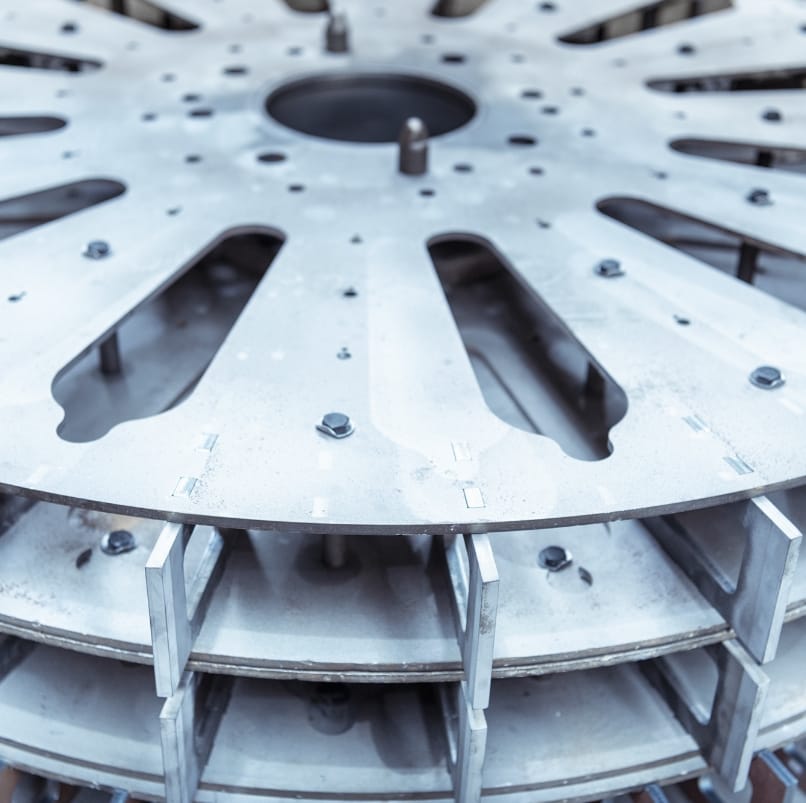
- Size reduction: A configured dry milling machine applies cutting, impact, or attrition to reach the agreed particle specification.
- Integrated drying: Atritor systems can evaporate up to 98% moisture while milling, streamlining the milling process.
- Classification and collection: Internal or external air classifiers ensure a tight particle-size distribution and recovery of fine product.
Every stage is engineered for repeatability, safety, and easy cleaning.
Benefits of dry milling with Atritor
- Simultaneous drying and milling reduces processing stages
- Energy-optimised systems lower operating costs
- Tight particle-size control for consistent quality
- Adaptable to abrasive, heat-sensitive, or multi-phase compounds
- Built to meet regulatory requirements and sector-specific standards
Materials we regularly process
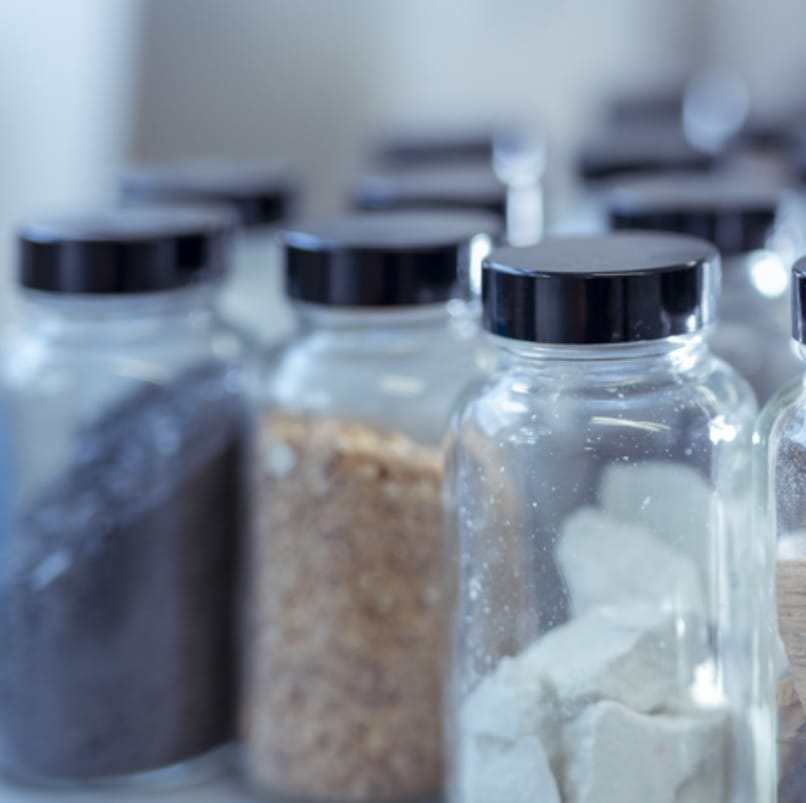
Drawing on more than 90 years of milling experience and a database covering over 500 material categories, Atritor tailors dry milling machines and combined solutions to the unique behaviour of each feedstock. Typical materials include:
- Pharmaceutical actives and excipients
- Catalysts and speciality chemical reagents
- Calcium compounds, gypsum, and other minerals
- Metals, ceramics, and technical plastics
- Abrasive, multi-phase, or heat-sensitive compounds
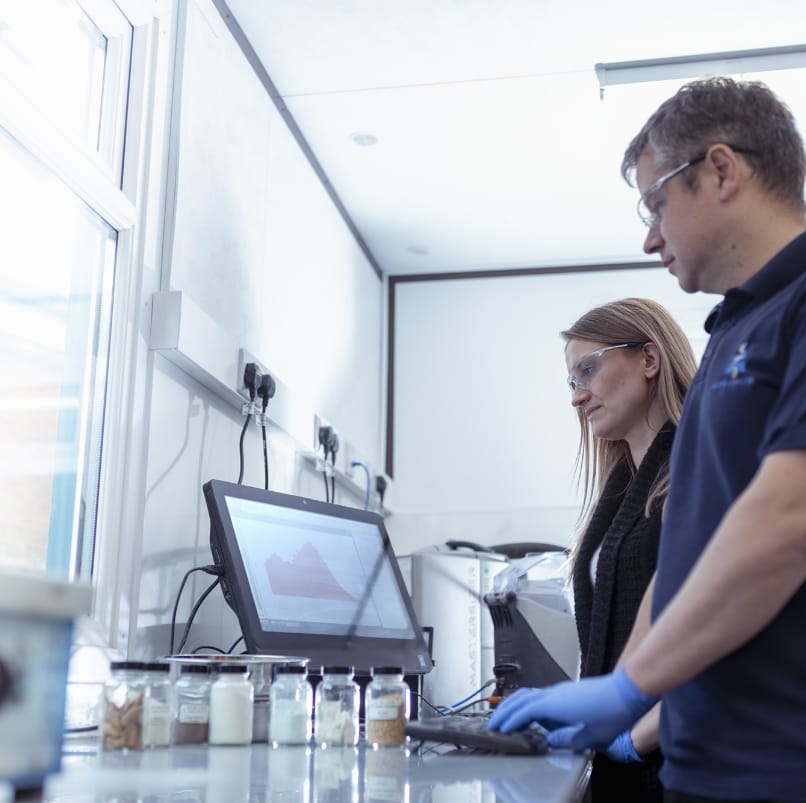
Our application laboratory verifies performance at pilot scale before full production, ensuring every dry milling process is optimised from day one.
Industries served
Atritor dry milling machines are applied across a wide range of sectors, including:
- Pharmaceuticals & nutraceuticals – precision powders and excipients
- Food & ingredients – flours, proteins, starches
- Chemicals & catalysts – active powders and speciality reagents
- Minerals & mining – calcium compounds, gypsum, abrasives
- Advanced materials – ceramics, engineered plastics, composites
How Freebee gained a 250% productivity increase with Atritor
Freebee, faced with delays, inconsistent quality, and dependency on external partners, decided to take milling in-house. Atritor delivered custom Cell Mills after pilot-scale testing, allowing Freebee to streamline operations and improve both speed and consistency. Read the full Freebee case study
Atritor dry milling solutions
 Atritor offers three core processing machines, all built for long service life and minimal downtime.
The Atritor Cell Mill and the Pulveriser are particularly useful when large quantities of raw material need to be processed. Both the Cell Mill and Pulveriser can take materials of up to 98% moisture and dry and mill them simultaneously.
The Cell Mill is ideal for producing super-fine powders. It uses a high-speed impact rotor combined with in-line classification to achieve a tight particle-size distribution, making it especially suitable for applications in pharmaceuticals, foods, and speciality chemicals.
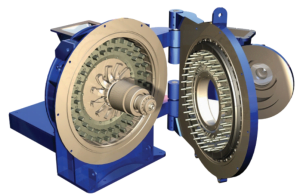
The Dryer-Pulveriser is designed for processing coarser, harder, or highly abrasive
materials. It offers simultaneous drying and milling in a single integrated unit, reducing the need for separate pre-drying equipment and increasing overall process efficiency. The Pulveriser machine is commonly used to produce powders for the chemical and mining industries.
Both the Cell Mill and the Pulveriser offer a highly efficient, cost-effective way to process materials. Their versatility makes them suitable for a wide range of applications, including metals, ceramics and plastics.
The Atritor AST Dryer will process anything from low-solids slurries to low-moisture powders.
Choosing wet or dry milling
Dry milling is generally the most cost-effective option for large volumes, solvent-restricted plants, or powders that are moisture-sensitive. Where high feed moisture cannot be avoided, our mills are capable of both wet and dry milling, eliminating the need for extra handling.
How can we help you?
Here at Atritor, we thrive on process challenges. Our 90+ year history has given us the knowledge to design wet and dry milling processes that take raw materials and manufacturing bi-products and turn them into value-added products. We have the technical expertise to process materials using single or multi-stage operations to ensure products meet your exact specifications. Read more about the processes we specialise in using the links below, or get in touch with our team and see how we can help.
Frequently asked questions about dry milling

Solving materials processing challenges
Download to learn more